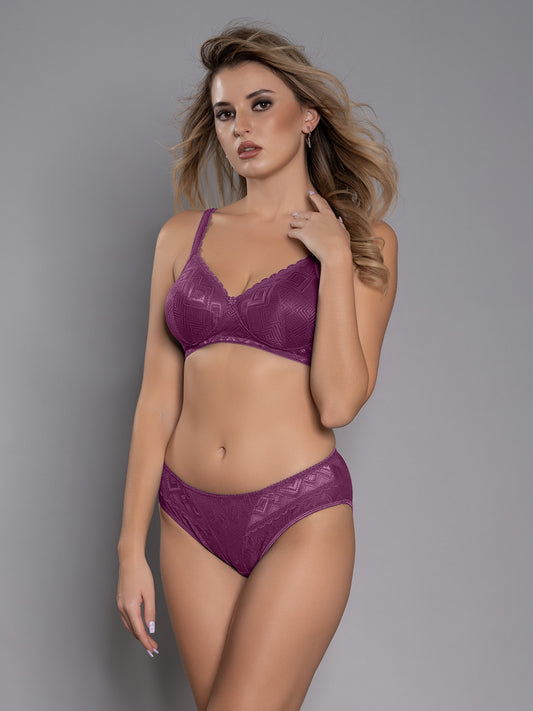
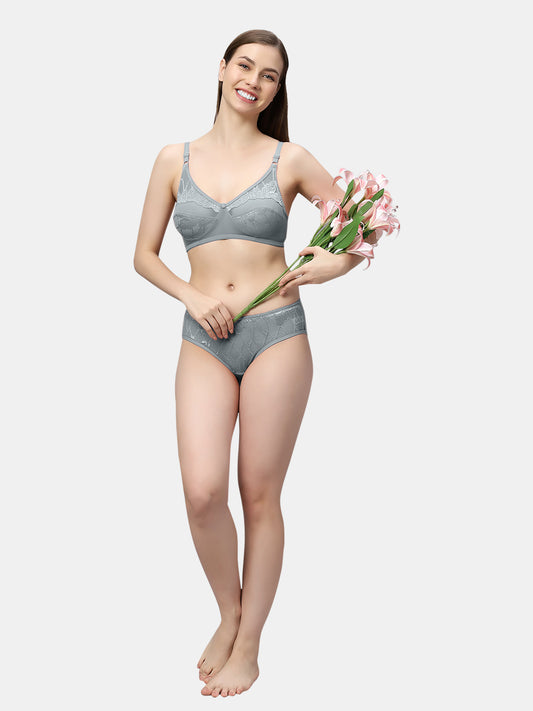
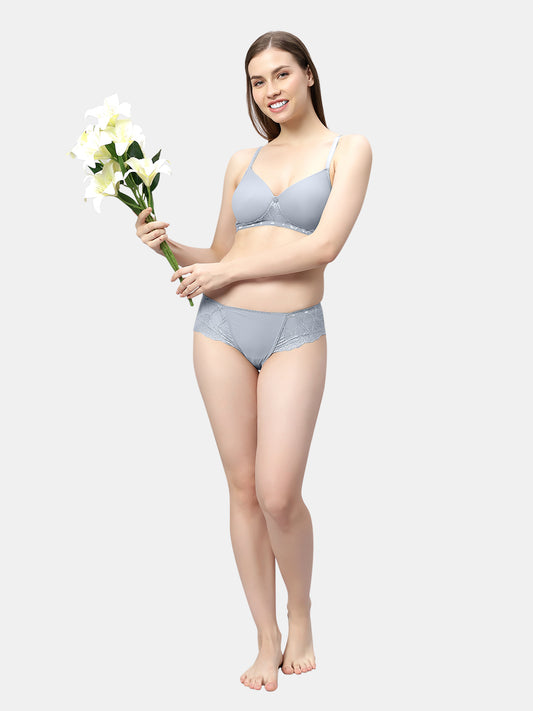
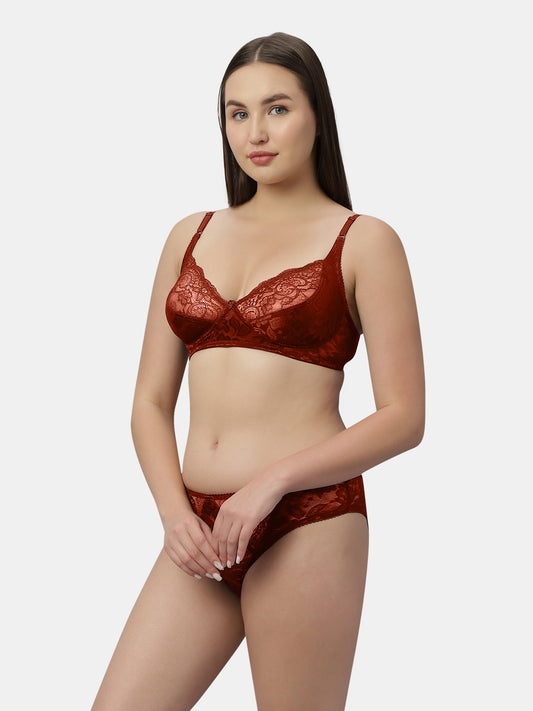
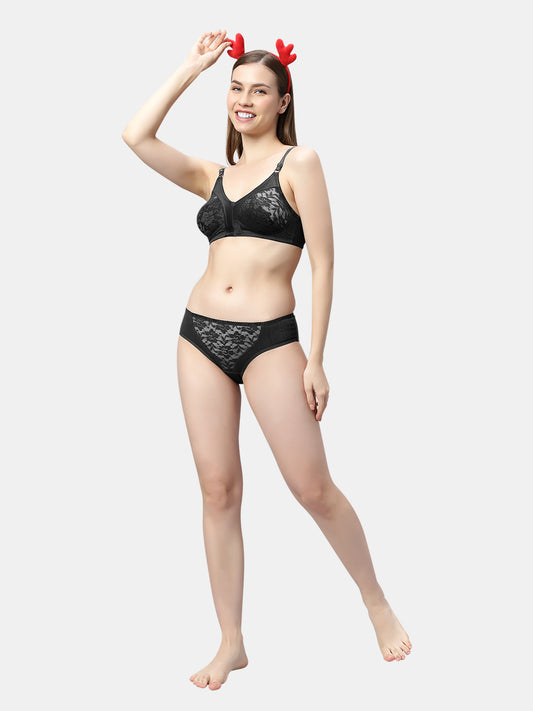
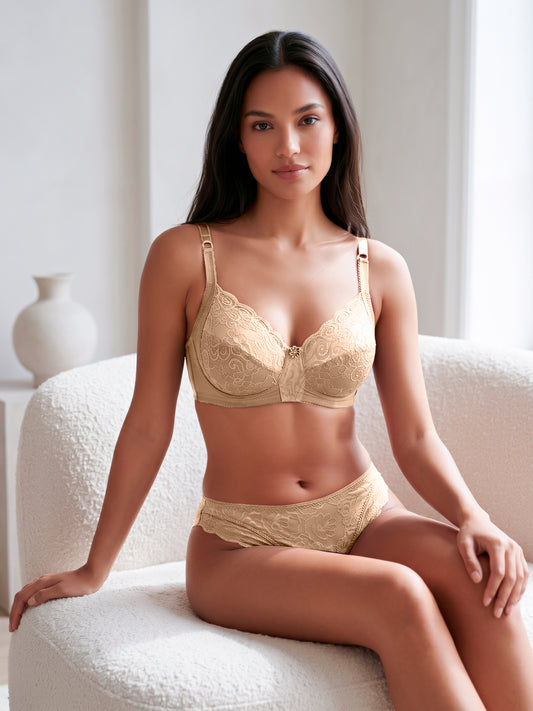


Your first bra is more than just a piece of clothing — it’s one of those quiet “growing up” moments no one really prepares you for. One day you’re not thinking about it at all, and the next, you’re wondering if you should be wearing one, which one to choose, and whether you’re doing it “right.” If that sounds familiar, you’re not alone.
The truth is, starting your first bra doesn’t come with rules or timelines. It’s about listening to your body and choosing what makes you feel comfortable and confident. This guide is here to help you understand the basics — without pressure, judgment, or awkwardness.
When Is the Right Time to Start Wearing a Bra?

There’s no universal age for wearing your first bra. Bodies grow differently, and that’s completely normal. Some people notice changes early, some later, and both are okay. Starting a bra has nothing to do with being “grown up” and everything to do with how your body feels.
You might start thinking about a bra when your chest feels sensitive, when movement feels uncomfortable, or when you want a little more coverage under your clothes. The right time is simply when you feel ready. Not because your friends are wearing one, and not because someone else says you should.
What Is a First Bra and Why Does It Matter?

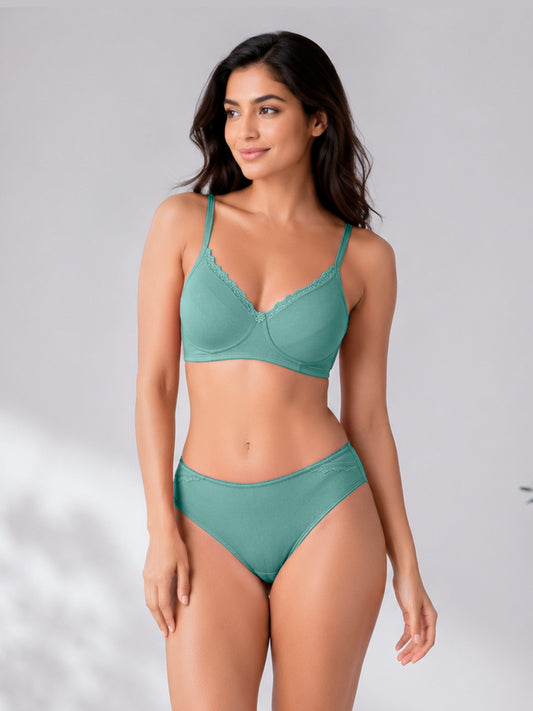
A first bra — often called a training bra — is made especially for beginners. It’s softer, lighter, and simpler than regular bras, with no wires or heavy structure. The idea isn’t to shape your body but to support it gently as it changes.
What makes a first bra important is how it helps you adjust. It introduces support in a way that feels natural and easy, so wearing a bra doesn’t feel like a big deal. When your first bra feels comfortable, it helps you move through your day without constantly thinking about it.
How to Choose the Right First Bra

For your first bra, comfort beats everything else — always. Soft, breathable fabrics like cotton feel better on young, sensitive skin and are ideal for everyday wear. Your bra should feel light and flexible, not stiff or tight.
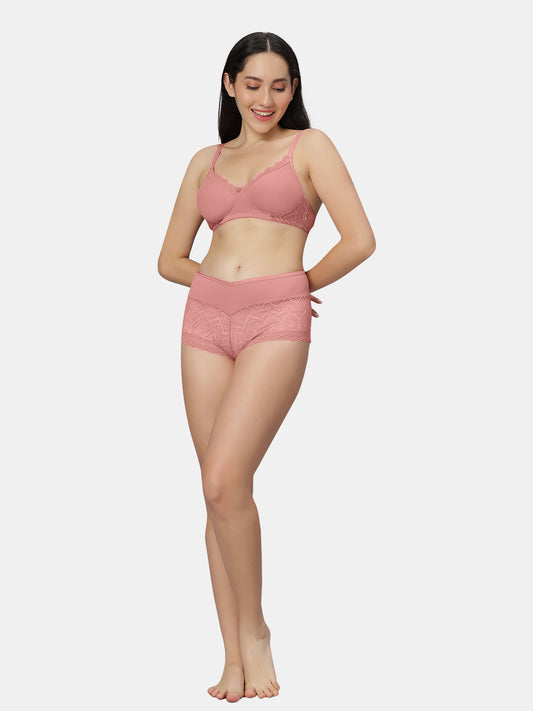
This isn’t the stage for heavy padding or structured styles. A first bra should feel like an extra layer of comfort, not something you’re adjusting all day. If you forget you’re wearing it, that’s usually a good sign you’ve chosen the right one.
Understanding the Importance of Proper Fit
Fit matters, even for a first bra. A well-fitting bra should sit smoothly on your body without digging in or feeling loose. The straps should stay in place without hurting your shoulders, and the band should feel secure without squeezing.
Because your body is still changing, your size may not stay the same for long — and that’s normal. Outgrowing a bra doesn’t mean something is wrong; it just means your body is doing what it’s supposed to do. Checking fit regularly helps you stay comfortable as you grow.
Common Mistakes to Avoid with Your First Bra

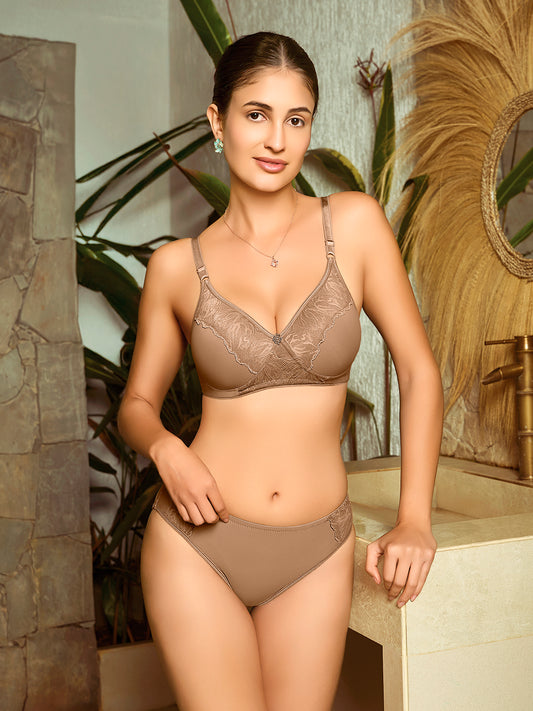
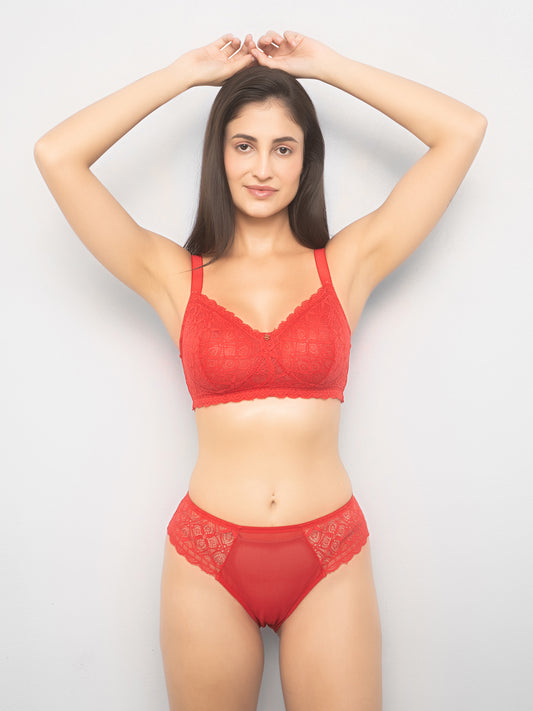
One of the biggest mistakes is choosing a bra just because it looks cute, even if it doesn’t feel good. Tight bands, hard fabrics, or underwires can cause discomfort and aren’t needed at this stage.
Another common mistake is wearing the same bra every single day without washing or rotating. Bras need care too, and switching between a few comfortable options helps keep your skin healthy and irritation-free.
Confidence and Body Changes: What You Should Know
Body changes during your teen years are normal, even if they feel confusing sometimes. Wearing a bra doesn’t change who you are — it just supports your body as it grows. There’s no “right” way your body should look.
Feeling comfortable in your clothes can make a big difference in how confident you feel overall. When your bra fits well and feels good, it’s one less thing to worry about while you focus on school, friends, and everything else that matters to you.
Why Comparing Yourself to Others Isn’t Helpful
It’s easy to compare yourself to friends, classmates, or even people on social media—but growth isn’t a competition. Everyone’s body follows its own timeline, and differences are completely normal.
Instead of comparing, focus on what feels right for you. Your first bra should feel supportive, not stressful. Choosing comfort over comparison helps you build a healthier relationship with your body.
Final Thoughts: Making Your First Bra Experience Positive
Starting your first bra is a personal step, and it should feel comfortable, not confusing or forced. There’s no rush, no pressure, and no one-size-fits-all approach.
When you choose softness, the right fit, and comfort-first styles, your first bra becomes just another normal part of growing up — one that supports both your body and your confidence.
FAQs About Her First Bra
01. Is it normal to feel awkward wearing a bra at first?
Yes, completely. Wearing a bra is a new experience, and it’s normal for it to feel a little strange in the beginning. It usually feels natural once you find a comfortable fit.
02. Do I have to wear a bra every day?
No. Wearing a bra is a personal choice. You can wear one when you feel comfortable or when you want extra support — it’s about what feels right for you.
03. Can I start with a padded bra?
Light padding is okay if it feels comfortable, but heavy padding isn’t necessary for a first bra. Comfort and softness matter more than shape at this stage.
04. How often should I check if my bra still fits?
During your teen years, it’s a good idea to check the fit every 6–12 months since your body can change as you grow.