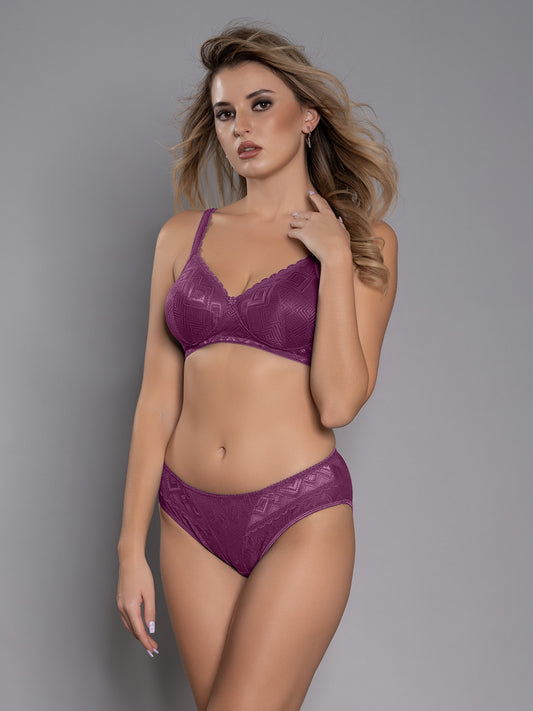
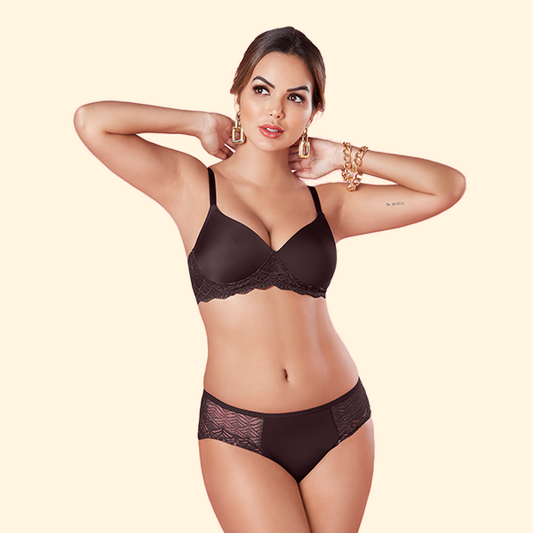
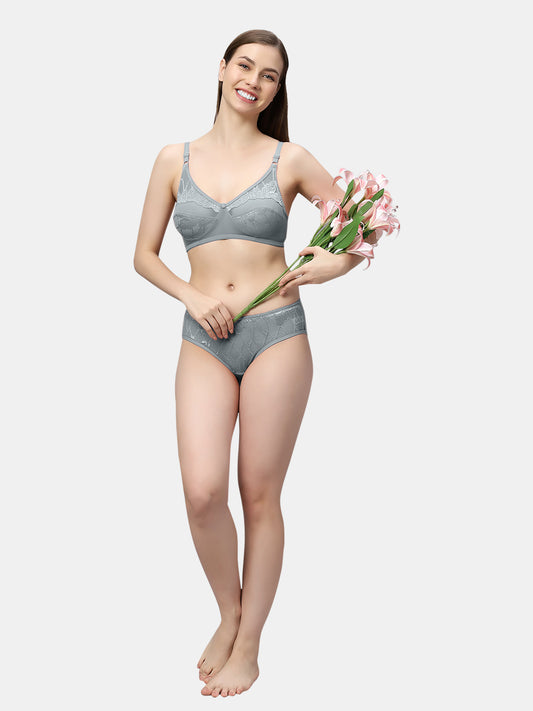
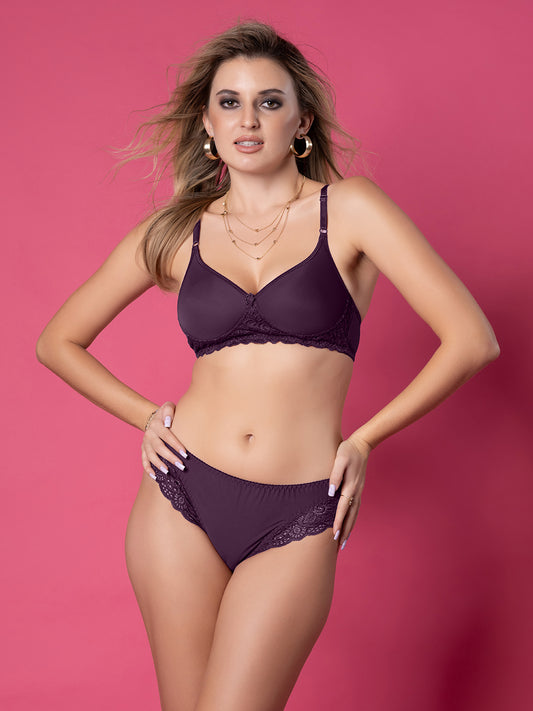


Monsoon brings relief from the summer heat, but increased humidity and frequent sweating can make skin comfort more challenging. Innerwear stays close to your skin for several hours, so the wrong fit, uncomfortable fabric, trapped moisture, or poor drying can make irritation more noticeable during the rainy season.
Rashes, itching, sweat buildup, and fungal skin infections can occur for different reasons. While innerwear isn't necessarily the sole cause, wearing damp, overly tight, or irritating garments can contribute to an environment where skin discomfort becomes more likely.
The right innerwear, combined with good washing and drying habits, can help you stay comfortable throughout the monsoon.
1. Sweat Buildup Under the Bra
 Humidity can make sweat evaporate more slowly. When your bra remains close to the skin for several hours, moisture can accumulate around areas such as the underbust, underarms, and sides of the body.
This can leave the skin feeling:
- Sticky
- Damp
- Uncomfortable
- Irritated
Wearing lightweight, comfortable innerwear and changing out of heavily sweaty garments can help keep the skin feeling fresher.
Tip: If your bra becomes noticeably damp after a long day, allow it to dry and wash it according to its care instructions before wearing it again.
2. Rashes and Redness
 A poorly fitting bra can create repeated friction against the skin. Tight bands, rough seams, stiff lace, or straps that dig into the shoulders can make irritation worse, especially when combined with sweat.
You may notice:
- Redness
- Mild burning
- Tenderness
- Chafing
- Persistent discomfort
Choosing the correct size and a comfortable construction can reduce unnecessary friction.
However, a persistent or worsening rash should not automatically be blamed on innerwear. Skin conditions can have many causes, so professional medical advice may be appropriate if symptoms don't settle.
3. Itching and Skin Discomfort
 Itching during monsoon can have several possible causes, including sweat, friction, fabric sensitivity, detergent residue, and existing skin conditions.
The problem may become more noticeable when innerwear remains damp against the body.
To improve everyday comfort:
- Choose soft fabrics.
- Avoid excessively tight innerwear.
- Rinse garments thoroughly after washing.
- Avoid wearing damp bras or panties.
- Change out of sweaty innerwear when possible.
If itching continues despite these changes, consider speaking with a dermatologist or healthcare professional.
4. Fungal Skin Problems and Excess Moisture
 Warm and moist areas of the body can provide favourable conditions for some fungal infections. This is one reason skin-fold areas may become more uncomfortable during humid weather.
However, it's important to understand that wearing the wrong bra does not automatically cause a fungal infection.
Prolonged moisture, sweating, friction, and inadequate drying can contribute to an environment in which certain skin problems may develop.
To maintain better hygiene:
- Keep the skin dry.
- Change sweaty clothing promptly.
- Wash innerwear properly.
- Make sure garments are completely dry before wearing.
- Keep your lingerie drawer clean and dry.
If you develop persistent itching, scaling, unusual redness, or a rash that doesn't improve, consult a healthcare professional for proper diagnosis.
5. Why the Wrong Bra Fit Can Make Monsoon Discomfort Worse
 Fit becomes particularly important when you're wearing a bra for long hours.
A band that is too tight can create pressure and friction. A loose bra, on the other hand, may move around and repeatedly rub against the skin.
Check these areas when assessing your fit:
- Band: It should feel secure without excessive pressure.
- Straps: They should stay in place without digging into your shoulders.
- Cups: They should contain the bust comfortably without excessive gaps or spillage.
- Underarm area: The bra shouldn't create unnecessary rubbing.
A comfortable fit can make a noticeable difference during long, humid days.
6. Damp Innerwear Can Increase Discomfort
 One of the biggest problems during monsoon is slow drying.
Even when a bra feels dry on the surface, moisture can remain around:
- Seams
- Elastic areas
- Lace
- Padded cups
- Thicker fabric sections
Wearing damp innerwear can feel uncomfortable and may contribute to moisture staying against the skin for longer.
During monsoon, try to:
- Dry lingerie in a well-ventilated area.
- Leave sufficient space between garments.
- Use a fan to improve airflow.
- Check thicker areas before storing.
- Never fold and store damp innerwear.
When Should You See a Doctor?
Not every rash or itch is caused by innerwear.
If you experience:
- A rash that doesn't improve
- Severe or persistent itching
- Pain or swelling
- Skin cracking
- Scaling
- A spreading rash
- Repeated skin infections
it's better to consult a qualified healthcare professional.
Avoid self-diagnosing a fungal infection based only on appearance. Different skin conditions can look similar and may require different treatments.
FAQs
Q1. Can the wrong innerwear cause skin problems during monsoon?
Poorly fitting or irritating innerwear can increase friction and discomfort. Sweat and trapped moisture may make some skin problems more noticeable, although innerwear isn't necessarily the sole cause.
Q2. Why do I get rashes under my bra during monsoon?
Sweat, humidity, friction, tight bands, fabric sensitivity, and other skin conditions can contribute to rashes around the bra area.
Q3. Can damp innerwear cause fungal infections?
Prolonged warmth and moisture can create conditions that favour fungal growth, but fungal infections have multiple possible causes. Keeping your skin and innerwear clean and dry can help reduce moisture-related risk.
Q4. What type of bra is better for monsoon?
A well-fitting bra made from comfortable, lightweight materials can be a good choice. The best option depends on your skin, lifestyle, outfit, and personal comfort.
Q5. How can I prevent sweat buildup under my bra?
Choose a comfortable fit, wear suitable fabrics, change out of heavily sweaty garments, wash bras regularly, and make sure they are completely dry before wearing them again.